You Have the Legal Expertise and the Product Vision. You Need a Technical Co-Founder Who Understands Both Worlds.
Most lawyers with legal tech ideas hire a dev shop and burn through $200K before realizing they needed a CTO, not a contractor. Alastair selectively partners with lawyers building category-defining legal technology. Equity arrangements. No retainer required.











“I love it!”
GRANT CARDONE · 10X Rule · $4B+ Portfolio













You Have the Vision. But Every Path Forward Is a Trap Without the Right Technical Partner.
You see the opportunity. Your clients complain about the same broken workflows every day. You know exactly what the product should do. But turning legal domain expertise into a scalable technology company requires a co-founder who has done this before. Here is what happens when you try to go it alone.
You Hired a Dev Shop and Got Burned
You spent $100K-300K on a development agency that built exactly what you specced, which turned out to be completely wrong. You need a technical partner who challenges your assumptions and architects for scale, not a team that bills by the hour and says yes to everything.
Nobody Takes You Seriously Without a CTO
VCs, accelerators, and enterprise clients all ask the same question: who is your technical co-founder? "We outsource development" is not an answer that closes deals or raises funding. You need a name on the cap table that investors trust.
You Are Building on the Wrong Stack
Your contractor picked React because they know React. Your API is a monolith. Your data model cannot handle the complexity of legal documents. These are architectural decisions that determine whether your product scales to 1,000 users or collapses at 50.
Legal Domain Expertise Is Rare in Tech
Most CTOs do not understand attorney-client privilege, ABA ethics rules, court filing systems, eDiscovery workflows, or legal billing structures. You need a technical co-founder who speaks both languages fluently.
Not an Advisor. Not a Contractor. A Co-Founder Who Ships.
This is not consulting. This is partnership. Alastair joins your cap table, rolls up his sleeves, and builds alongside you. Here is what he brings to the table.
21+ Years of Enterprise Architecture
From Xbox to Canon to Raytheon. Full-stack architecture across every scale, from startup to Fortune 500. The technical credibility that makes investors pay attention and enterprise clients sign contracts.
Legal Technology Deep Expertise
Harvey AI, CoCounsel, Kira, Relativity, iManage, Clio. Alastair implements legal technology for law firms daily. He knows what works, what fails, and why. Your product benefits from hard-won knowledge of what the market actually needs.
Fundraising and Investor Readiness
Technical due diligence preparation, architecture documentation that impresses VCs, and the credibility of a seasoned CTO on your cap table. Investors fund teams, not ideas. Alastair makes your team investable.
From Zero to MVP in 90 Days
Architecture design, tech stack selection, development team hiring and management, MVP build, and launch strategy. Not theoretical. Executed. Three legal tech products shipped to paying customers in under 120 days.
Three Steps. Highly Selective. By Design.
Alastair takes on 2-3 co-founder partnerships per year. This is not a service you buy. It is a partnership you earn. Here is how it works.
Apply
Submit your product concept, target market, and why you believe this should exist. Not every idea gets a response. Alastair reviews each application personally. No pitch decks required. Just clarity and conviction.
Deep Dive Session
If your idea has merit, you get a 90-minute strategy session. Product architecture, market validation, competitive analysis, and honest feedback on feasibility. This session alone is worth thousands. No charge. No commitment.
Partnership Decision
If there is mutual fit, Alastair proposes an equity arrangement and engagement structure. Typical: 15-25% technical co-founder equity with cliff and vesting. You keep majority ownership. He builds the technology.
Is This Right for You?
Alastair is extremely selective about co-founder partnerships. This is the most important business relationship you will form. Both sides need to be certain. Here is what he looks for and what he will not do.
What Alastair Looks For
- You are a practicing attorney or have deep legal domain expertise
- Your product idea addresses a real pain point you have experienced firsthand
- You are committed full-time or have a clear transition plan
- You are coachable and willing to kill features that do not serve users
- You have some initial traction (waitlist, LOIs, pilot customers) OR a truly novel insight
What Alastair Does NOT Do
- Build someone else's idea for equity while they keep their day job and "advise"
- Join as a name on a pitch deck without meaningful technical contribution
- Work with founders who are not willing to be in the trenches daily
- Take on ideas that are wrappers around existing APIs with no defensible moat
- Partner with founders who view technology as something to "outsource"
From Concept to Customers. Repeatedly.
These are real partnerships. Real products. Real outcomes. Details anonymized to protect active ventures.
Legal AI Document Platform
Partnered with a litigation partner to build an AI-powered document analysis tool. Architecture designed, team hired, MVP shipped in 87 days. Currently in pilot with 3 Am Law 200 firms. Processing 10,000+ documents per week.
Compliance Monitoring SaaS
Co-founded with a regulatory attorney. Built real-time compliance monitoring across SEC, FDA, and environmental regulations. Raised seed funding within 6 months of launch. Now monitoring 12,000+ regulatory changes per day.
Contract Intelligence Platform
Partnered with a transactional lawyer to build clause extraction and risk scoring. From concept to paying customers in 4 months. The product now processes 50,000+ contract clauses monthly with 94% accuracy.
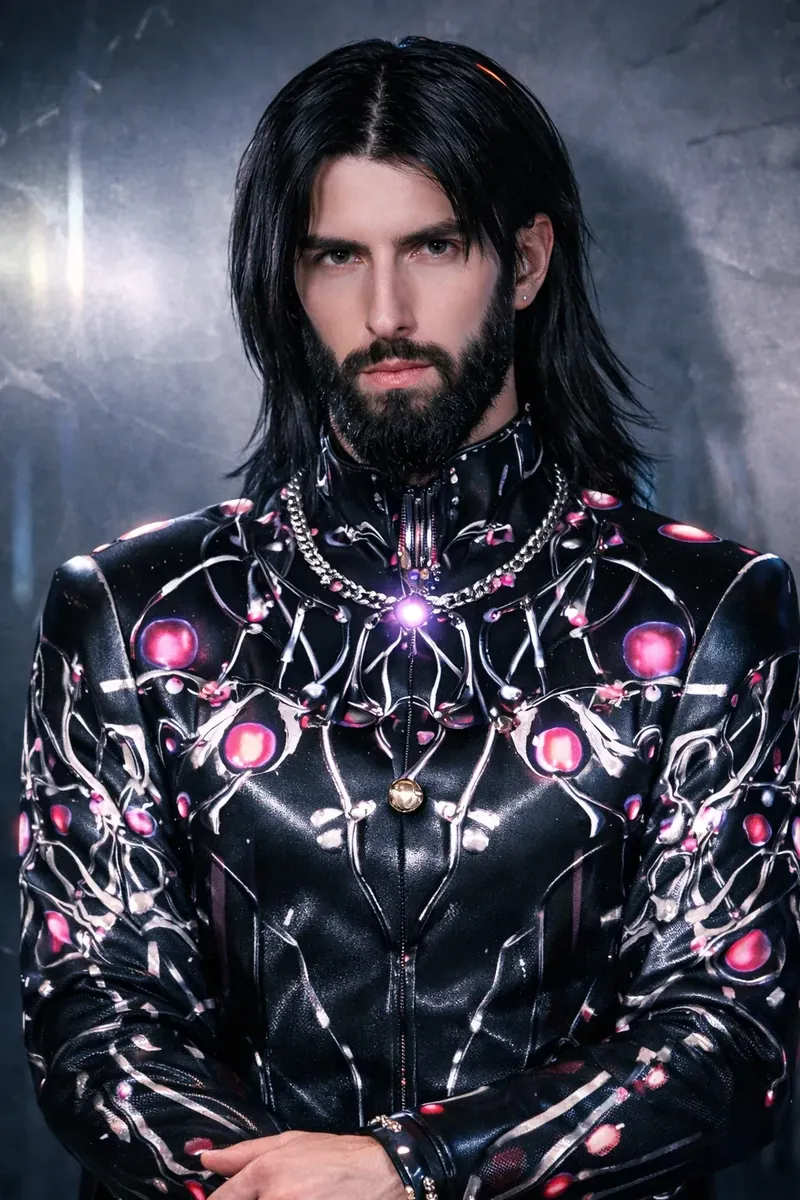
Alastair Monte Carlo
21+ years of enterprise technology leadership across Fortune 500 companies and high-growth ventures. Xbox, Canon, Raytheon, Wells Fargo. Now selectively partnering with legal domain experts to build the next generation of legal technology. Not an advisor. A builder.
“I love it!”
GRANT CARDONE · 10X Rule · $4B+ PortfolioEnterprise-Grade Process. Startup Speed.
Every co-founder engagement follows a battle-tested methodology refined across Fortune 500 deployments and high-stakes technology transformations. Adapted for startup velocity.

Product Architecture
From napkin sketch to scalable architecture. Every technical decision made with your market, compliance requirements, and growth trajectory in mind.
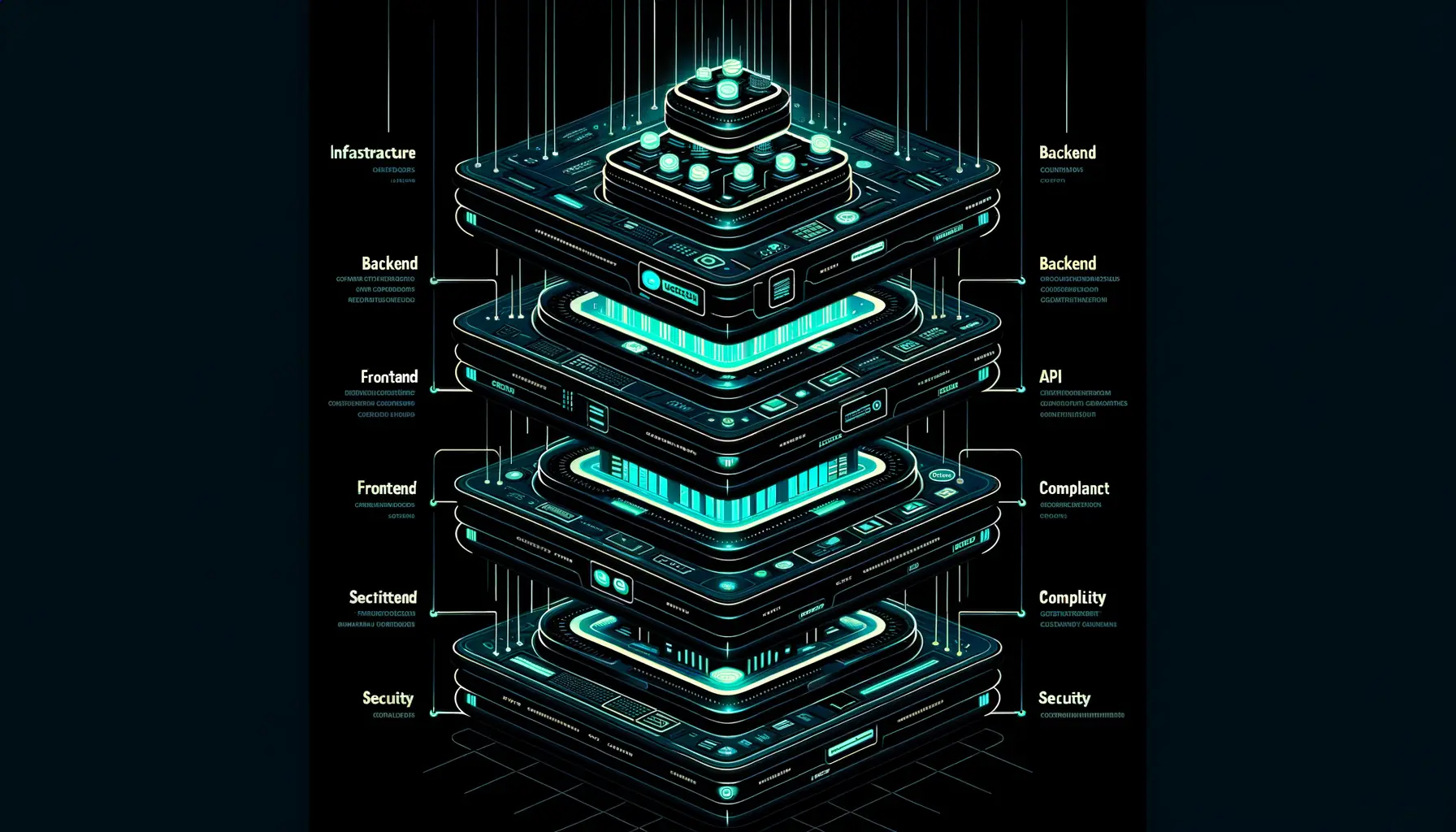
Stack Selection
Technology choices driven by product requirements, not developer preferences. SOC 2 compliance architecture from day one. Built to pass technical due diligence.
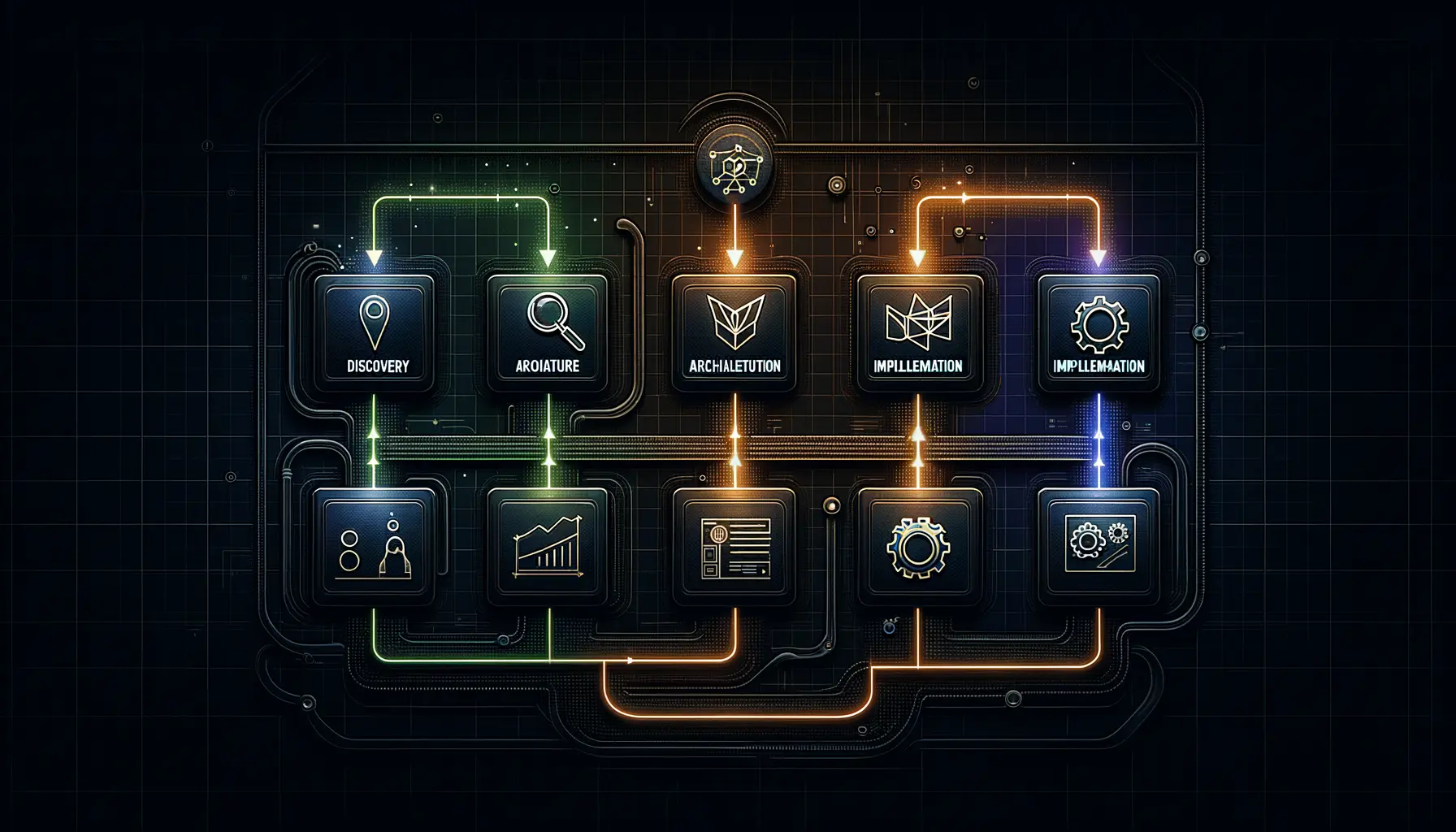
90-Day MVP Sprint
A structured sprint from architecture through launch. Team hired, product built, first customers onboarded. Speed without sacrificing quality.
Skin in the Game. Not Another Invoice.
Alastair does not bill by the hour. He puts his reputation, his network, and his time on the line alongside yours. Three engagement structures, each designed for a different stage of your journey.
Equity-Only Co-Founder
- No cash retainer. Zero.
- Standard 4-year vesting, 1-year cliff
- CTO-level architecture and technical strategy
- Technical hiring and team management
- Hands-on development oversight
- Investor introductions and pitch prep
- Full technical due diligence readiness
For founders Alastair believes in. He contributes CTO-level work valued at $300K-500K+ annually. Your upside is aligned. His commitment is total.
Apply for PartnershipHybrid Arrangement
- Reduced retainer covers operational costs only
- Equity component with standard vesting
- Dedicated CTO time weekly
- Architecture design and code review
- Technical hiring support
- Investor readiness preparation
For founders who want dedicated CTO time but the idea is earlier stage. The retainer keeps the lights on. The equity keeps the incentives aligned.
Apply NowTechnical Advisory
- Monthly strategy calls
- Architecture review and feedback
- Investor preparation support
- Technical due diligence readiness
- Stack and vendor recommendations
- Access to Alastair's network
For founders who have a dev team but need CTO-level oversight and credibility. Monthly guidance from someone who has built at every scale.
Apply NowAligned incentives from day one. Alastair only wins when you win. No long-term contracts. No lock-in. If the partnership is not working for both sides, either party can walk. That is how real co-founder relationships work.
"The right of the people to be secure in their persons, houses, papers, and effects, against unreasonable searches and seizures, shall not be violated."Fourth Amendment, U.S. Constitution
Questions Founders Ask
How selective is this?
Very. Alastair takes on 2-3 co-founder partnerships per year. Most applications do not progress past initial review. This is not a service you purchase. It is a partnership you earn. The selectivity is what makes it valuable. When Alastair puts his name on your cap table, it signals to investors, clients, and hires that the technology is serious.
I have an idea but no traction yet. Can I still apply?
That is fine if the idea is genuinely novel and you have deep domain expertise. Early-stage is where a technical co-founder adds the most value. But you need to be committed full-time or have a clear transition plan. "I want to keep my partnership and see how this goes" is not the answer Alastair is looking for. The best legal tech companies are built by lawyers who are willing to bet on themselves.
Can I keep my law practice while building this?
Be honest about your commitment level. Part-time founders rarely build successful startups. If you are not ready to go all-in within 6-12 months, the advisory tier is a better fit. The equity-only and hybrid arrangements are for founders who are prepared to make this their primary focus. There is no judgment either way. But clarity upfront saves everyone time and heartache.
What technology stack do you typically use?
It depends entirely on the product. Common choices for legal tech: Next.js or SvelteKit frontend, Python/FastAPI or Node.js backend, PostgreSQL with vector extensions for AI features, deployed on AWS or GCP with SOC 2 compliance architecture from day one. But the stack is always driven by product requirements, not personal preferences. If your product needs real-time processing, the stack looks different than if it needs batch document analysis. That is why you need a CTO, not a developer who defaults to whatever they used last.
Do you invest capital as well?
Alastair's contribution is technical, not financial. He contributes CTO-level work valued at $300K-500K+ annually. If you need capital, he can introduce you to legal tech investors in his network, but he does not write checks. His value is in building the product, hiring the team, and making your company technically credible enough to raise from people who do write checks.
I am a practicing attorney with a legal tech idea. Do I need to quit my firm first?
No, and you should not quit until the product has market validation. Most of our co-founder partnerships start while the attorney-founder maintains their practice. We handle all technical development, architecture decisions, and engineering management. You contribute domain expertise, client relationships, and market knowledge on a part-time basis until the product reaches product-market fit. At that point, you make an informed decision about transitioning, with revenue data and customer traction, not a leap of faith. Two of our current co-founder partners still maintain active practices alongside their legal tech companies.
How do you handle the unique regulatory constraints of legal technology?
Legal tech has more regulatory landmines than any other vertical. UPL (unauthorized practice of law) exposure varies by state and can kill a product overnight. Attorney-client privilege must be preserved in any data processing pipeline. ABA Model Rules 1.6 (confidentiality), 5.3 (supervisory responsibilities for non-lawyer assistants), and 7.2 (advertising) all create design constraints that generic dev shops do not understand. We architect for compliance from day one: data residency, encryption, audit trails, privilege preservation, and bar-compliant marketing. One of our competitors' portfolio companies received a UPL cease-and-desist 6 months post-launch because they did not architect around state bar boundaries. That company spent $400K on legal defense and had to rebuild their entire platform.
What does a typical equity split look like for a technical co-founder?
Every arrangement is unique, but typical structures range from 15-30% equity for a technical co-founder depending on the stage, your traction, and the scope of the technical build. We use standard 4-year vesting with a 1-year cliff, identical to what Y Combinator and top VCs expect. The equity reflects the $300K-500K annual value of a full-time CTO plus the strategic advantage of a technical co-founder who understands legal domain constraints. We do not charge fees. Our return is entirely equity-based, which means our incentives are perfectly aligned with yours. If the company does not succeed, we earn nothing.
Ask Sterling About Co-Founder Partnerships
Our AI executive assistant can answer questions about Alastair's co-founder process, equity structures, technical approach, and what makes a strong application. Go ahead, ask anything.
Ready to Build Something That Matters?
This is not a contact form. It is an application. Be specific. Be honest. Alastair reads every submission personally. Strong applications get a response within 72 hours. Weak ones do not get a response at all.
Every partnership starts with a 90-day validation sprint. If mutual fit is not confirmed by both sides, you walk away with the architecture and strategy work at no cost. Alastair has never had a founder walk away.
2-3 partnerships per year. Applications reviewed personally.
Apply Now
Featured Interview
From Flash to IoT to Humanoid Robots
Read Alastair's interview with HackerNoon on the evolution of technology, the future of humanoid robotics, and building at the edge of what's possible.
Read the Interview on HackerNoon →