
Your Billing System, DMS, Practice Management, and CRM Were Never Designed to Work Together. That Is Costing You Millions.
The average mid-size law firm runs 12-18 disconnected technology systems. Partners cannot get accurate profitability data. Associates under-record time because the tools are painful. Finance spends days on month-end reconciliation. This is not a vendor problem. It is an architecture problem. From $8K/month.











“I love it!”
GRANT CARDONE · 10X Rule · $4B+ Portfolio














Alastair Monte Carlo
21+ years of enterprise technology leadership specializing in systems integration, data migration, and workflow automation. Led the Canon enterprise platform migration with zero data loss. The same precision and methodology applied to connecting your firm's disconnected technology into a unified, profitable system.
“I love it!”
GRANT CARDONE · 10X Rule · $4B+ PortfolioEnterprise-Grade Process. Proven Results.
Every engagement follows a battle-tested methodology refined across Fortune 500 deployments, enterprise migrations, and high-stakes system integrations where failure is not an option.

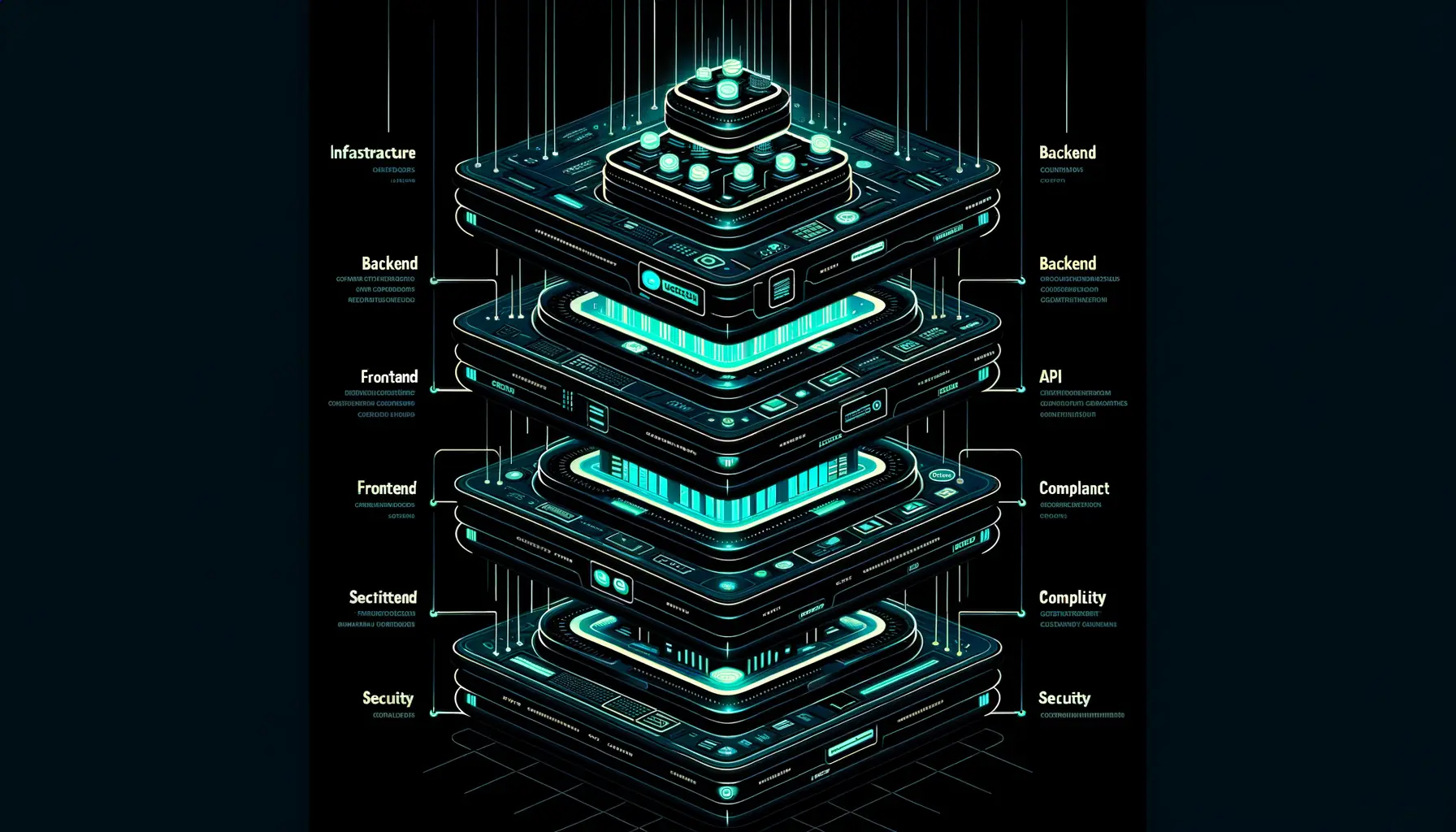
System Architecture Assessment
Complete inventory of your technology stack with data flow mapping, integration gap analysis, and cost optimization opportunities.
Integration Blueprint
Unified architecture design connecting practice management, billing, DMS, and CRM with automated data flows and reporting.
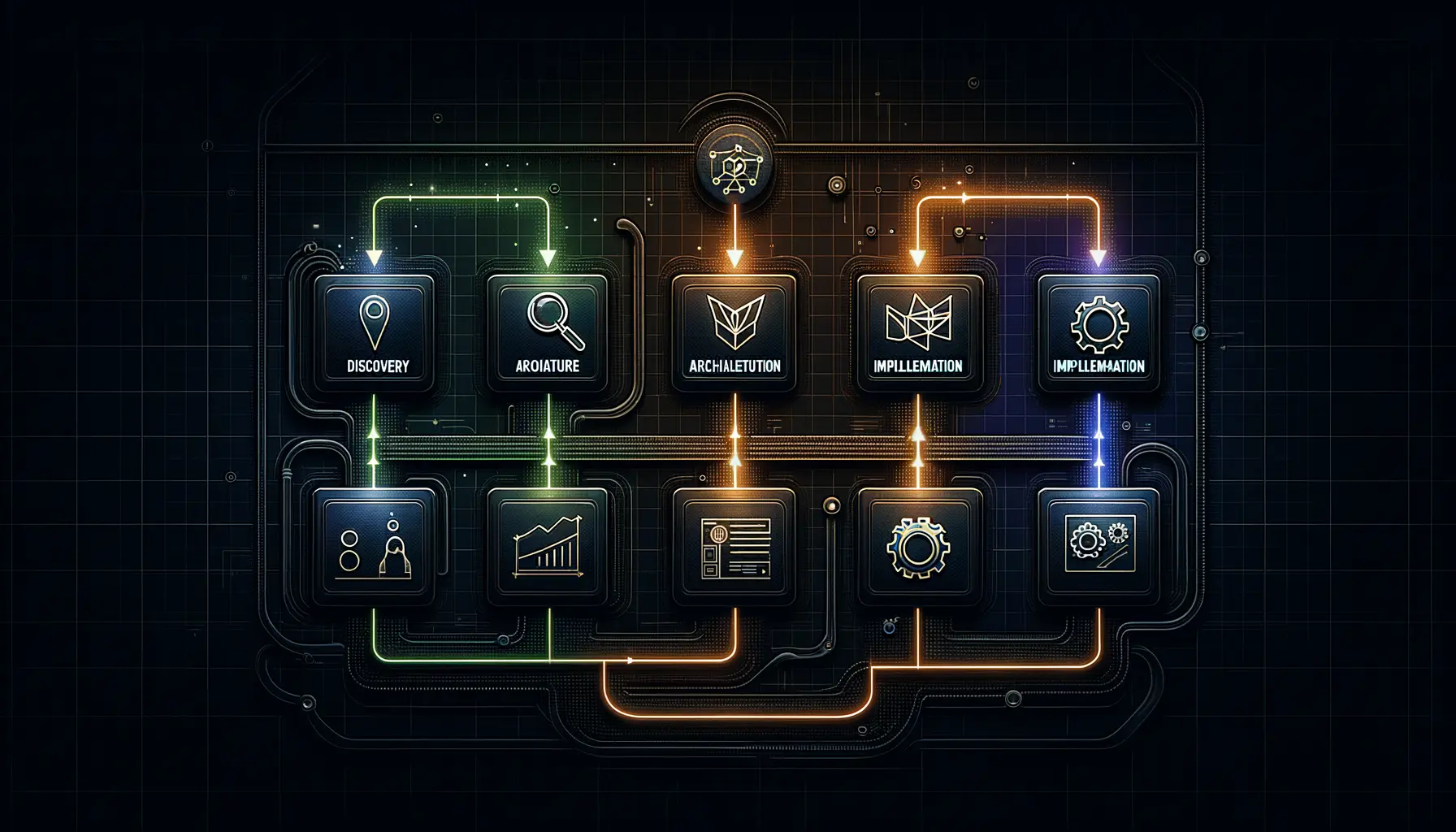
Phased Implementation
Critical-path-first deployment with parallel running, data validation, and zero-data-loss migration at every phase.
Disconnected Systems Cost Your Firm Millions in Lost Revenue and Wasted Hours. Integration Costs a Fraction of That.
Every tier includes Fortune 500 integration methodology, zero-data-loss migration practices, and direct access to Alastair's 21+ years of enterprise architecture experience. Limited to 4 active integration clients to ensure focused attention.
Integration Essentials
- 2-3 system integration
- Workflow optimization
- System inventory and cost analysis
- Basic reporting automation
- Staff training
- Monthly optimization reviews
First 30 days: Complete system inventory, cost analysis, and quick-win integrations that deliver immediate time savings. Know exactly where your efficiency gaps are and start closing them.
Get StartedIntegration Professional
- Everything in Integration Essentials
- Firm-wide integration (5+ systems)
- Reporting automation and dashboards
- Data migration management
- Change management program
- Automated month-end reconciliation
- Quarterly optimization reviews
First 30 days: Critical-path integrations live, partner dashboards deployed, and time tracking friction eliminated. This tier delivers the fastest measurable ROI for mid-size firms.
Lock In Your SpotIntegration Elite
- Everything in Integration Professional
- Am Law 200 multi-office coverage
- Full digital transformation
- Custom API development
- IT department oversight
- Partner and management committee reporting
- Vendor negotiation and management
First 30 days: Full digital transformation strategy presented to partners, multi-office integration architecture designed, and quick-win implementations delivering immediate value.
Claim Your SpotIntegration Sprint
30-day intensive assessment and quick wins. Complete system inventory, workflow mapping, critical integration implementation, and a detailed roadmap for full integration. Ideal for firms that want to see results before committing to a monthly retainer.
Request Sprint AssessmentZero-risk engagement. If you do not see measurable efficiency improvements in the first 30 days, we part ways. No contracts. No lock-in. Your firm keeps every deliverable, every integration, every dashboard.
"The right of the people to be secure in their persons, houses, papers, and effects, against unreasonable searches and seizures, shall not be violated."Fourth Amendment, U.S. Constitution
Questions Law Firms Ask About Integration
Which practice management systems do you support?
We work with all major legal technology platforms including Clio, PracticePanther, Smokeball, MyCase, Rocket Matter, CosmoLex, iManage, NetDocuments, Aderant, Elite 3E, ProLaw, Worldox, and more. Our approach is vendor-agnostic. We evaluate your current stack, identify the optimal integration architecture, and implement connections regardless of which platforms you use. If it has an API, we can integrate it. If it does not, we build custom connectors.
What are the risks during data migration?
Data migration is the highest-risk phase of any integration project, which is why we apply the same methodology we use for Fortune 500 enterprise migrations. Every migration includes a complete data inventory, validation checksums, parallel running periods, and rollback procedures. We executed the Canon enterprise platform migration with zero data loss. Your client data and billing records receive the same level of care and the same zero-tolerance approach to data integrity.
How much disruption should we expect during implementation?
Minimal. We use a phased implementation approach that prioritizes critical workflows first and schedules transitions during low-activity periods. Staff training happens in small groups with hands-on practice before any system goes live. Most firms report that the transition period is far less disruptive than they expected, and the efficiency gains become apparent within the first week of each phase going live. We have never had a firm lose a billable hour due to our implementation process.
We already use Clio (or PracticePanther). Can you work with our existing setup?
Absolutely. We are not trying to replace your practice management platform. We are trying to make it work properly with everything else in your technology stack. Most firms have their practice management system running in isolation from their DMS, billing, CRM, email, and reporting tools. That disconnection is where the inefficiency lives. We build the integration architecture that connects your existing platforms into a unified workflow where data flows automatically and reporting happens in real time.
What is the typical timeline for a full integration project?
A 2-3 system integration typically takes 60-90 days from assessment to full deployment. A firm-wide integration across 5+ systems takes 4-6 months. Quick wins are delivered within the first 30 days of every engagement, so you see value immediately. The timeline depends on the number of systems, the complexity of your data, and the level of customization required. We provide a detailed project timeline with milestones and deliverables during the assessment phase.
Our partners do not trust our profitability reports because the data comes from 4 different systems.
This is the most expensive problem in law firm management, and it is entirely solvable. We build a unified data pipeline from your time and billing system (Aderant, Elite 3E, or ProLaw), your practice management platform (Clio, PracticePanther, or similar), your document management system (iManage or NetDocuments), and your financial system. Partners get a single dashboard showing real-time profitability by matter, client, practice group, and originating attorney. One AmLaw 200 firm discovered they had been underreporting partner profitability by 18% because two systems were double-counting write-offs. The correction changed three partners' compensation by over $200K each.
We lose billable time because our attorneys forget to enter time or cannot reconstruct their day.
Time leakage is the single largest revenue drain in professional services. Industry data shows firms lose 10-15% of billable time to poor time capture. We implement passive time tracking that logs application usage, document access, email activity, and calendar events, then presents attorneys with a reconstructed timesheet at the end of each day. The attorney reviews and approves entries instead of trying to remember what they did 8 hours ago. One litigation boutique increased captured billable hours by 12% in the first quarter. At a $500 average billing rate, that is $180K in recovered revenue per attorney per year.
We are about to merge with another firm and need to integrate completely different technology stacks.
Firm mergers are the hardest integration challenge in legal technology because you are merging data, workflows, security policies, and culture simultaneously. We have managed integrations between Clio and Elite 3E, between iManage and NetDocuments, and between completely custom legacy systems. The critical path: first, freeze both systems and create a unified data model. Second, migrate client/matter data with conflict checking. Third, harmonize billing rates and timekeeper IDs. Fourth, deploy unified security with single sign-on. Timeline is typically 90-120 days for full integration. The firms that do this without a technical architect lose 6-12 months of productivity and usually lose key lateral partners who get frustrated with broken systems.
Ask Sterling Anything
Our AI executive assistant has answers about Alastair's integration methodology, supported platforms, pricing, availability, and more. Go ahead, test him.
Attorney-Client Privilege Protection Guarantee
All engagements operate under mutual NDA. AES-256 encryption at rest and in transit. Zero-knowledge architecture for client data. Our defense partner holds Top Secret Security Clearance · the same protocols that protect classified defense intelligence now protect your client data.
Every Month with Disconnected Systems Is Another Month of Lost Revenue. How Long Will You Wait?
30 minutes. No commitment. No pitch deck. A real conversation about your technology stack, integration gaps, and the specific revenue you are losing to system friction. 3 integration retainer spots remaining this quarter.
If you do not see measurable value in the first 30 days, you pay nothing. We have never had a client invoke this guarantee.
3 spots left for Q3 2026 integration engagements
Unify Your Systems
Featured Interview
From Flash to IoT to Humanoid Robots
Read Alastair's interview with HackerNoon on the evolution of technology, the future of humanoid robotics, and building at the edge of what's possible.
Read the Interview on HackerNoon →